After weeks of refocusing their learning on mathematical practices, BOPDs reflected about their identities as mathematicians based on their self- assessment. They shared their levels of understanding and wrote a reflection in their notebooks.
Showing posts with label mathematical practices. Show all posts
Showing posts with label mathematical practices. Show all posts

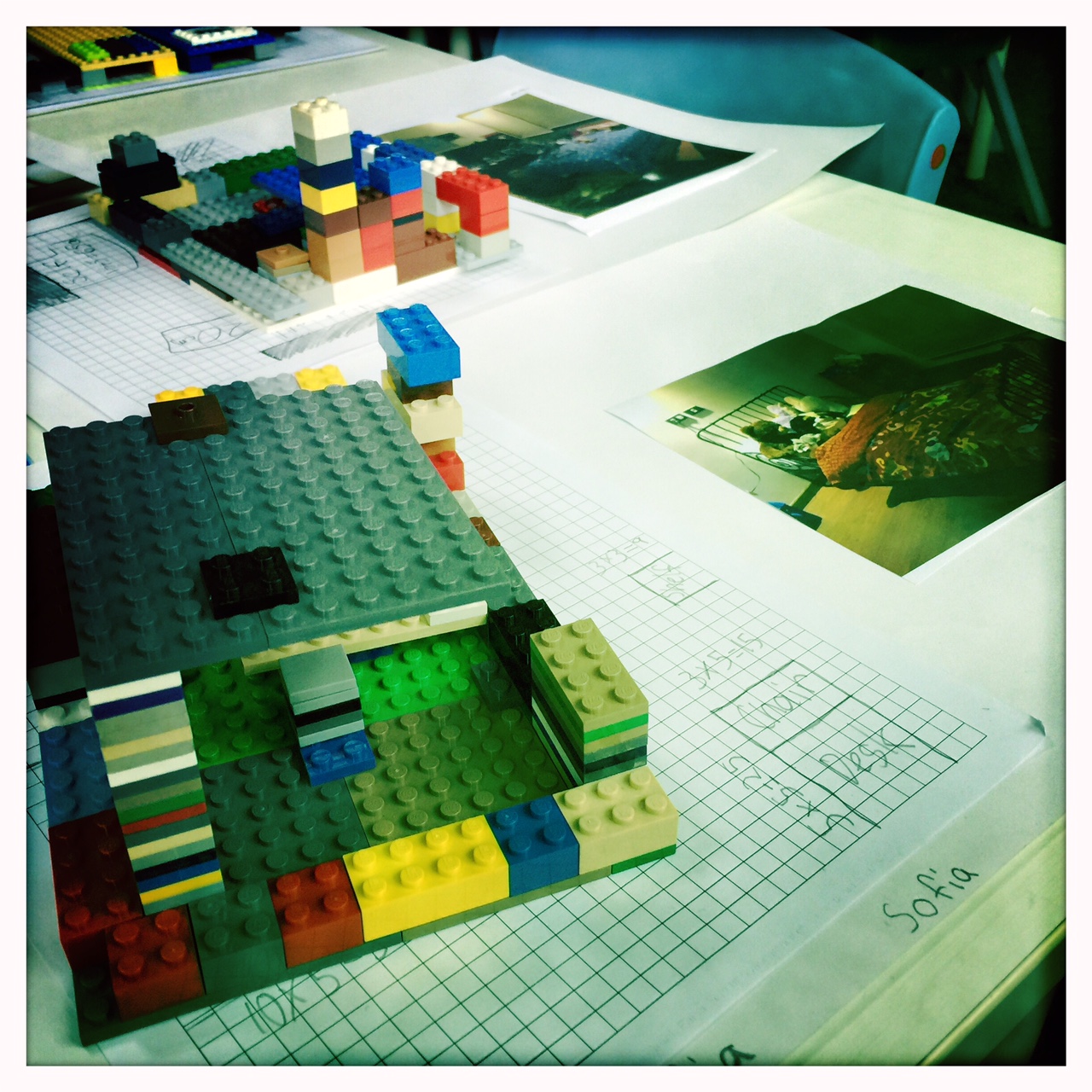
The Area of my Bedroom


Talking about Time

The class inquired about telling time through a website. We helped each other talk about what the numbers represent and how to count on a clock. There were many points raised by students and we marked this on the board. After this, we practiced telling time individually and later gave feedback to each other about their veracity.
Making Connections in Mathematics

We continue our weekly focus on math practices and our routine entails writing a reflection on how we practiced it during our math lessons. On this entry the student states the way to solve for perimeter based on our previous discussion comparing area and perimeter. Another concrete practice we had was looking at a shape wherein some side lengths were unknown. This helped us to focus on what we know about the shape to solve for its perimeter.

Using what I Know

This week our class focused on Math Practice #7, I can use what I know to solve new problems. To apply this skill, we used a Venn Diagram and started putting down what we know about area. We then started comparing it to perimeter. To extend our thinking, we worked in pairs to solve problems that involve computing for perimeter.
Information Invasion

Counting Square Units

Multiplying Side Lengths
 Applying our understanding of how to get an area of an object, we paired up and measured different items in our classroom for practice. This learning experience focused our attention to being precise with the numbers that we multiply. When you multiply the side lengths of an object, you compute for its area.
Division discussions

We looked at division posters made by third graders from last school year to start a discussion. Then we broke into small groups to make statements that reflected our understanding. For division practice, we inquired about equal groups and used manipulatives to divide two-digit numbers. At the same time, we also started and ended our lesson reflecting about mathematical practices.
Subscribe to:
Posts (Atom)